Table of Contents
What Is an Old Ford Maverick?
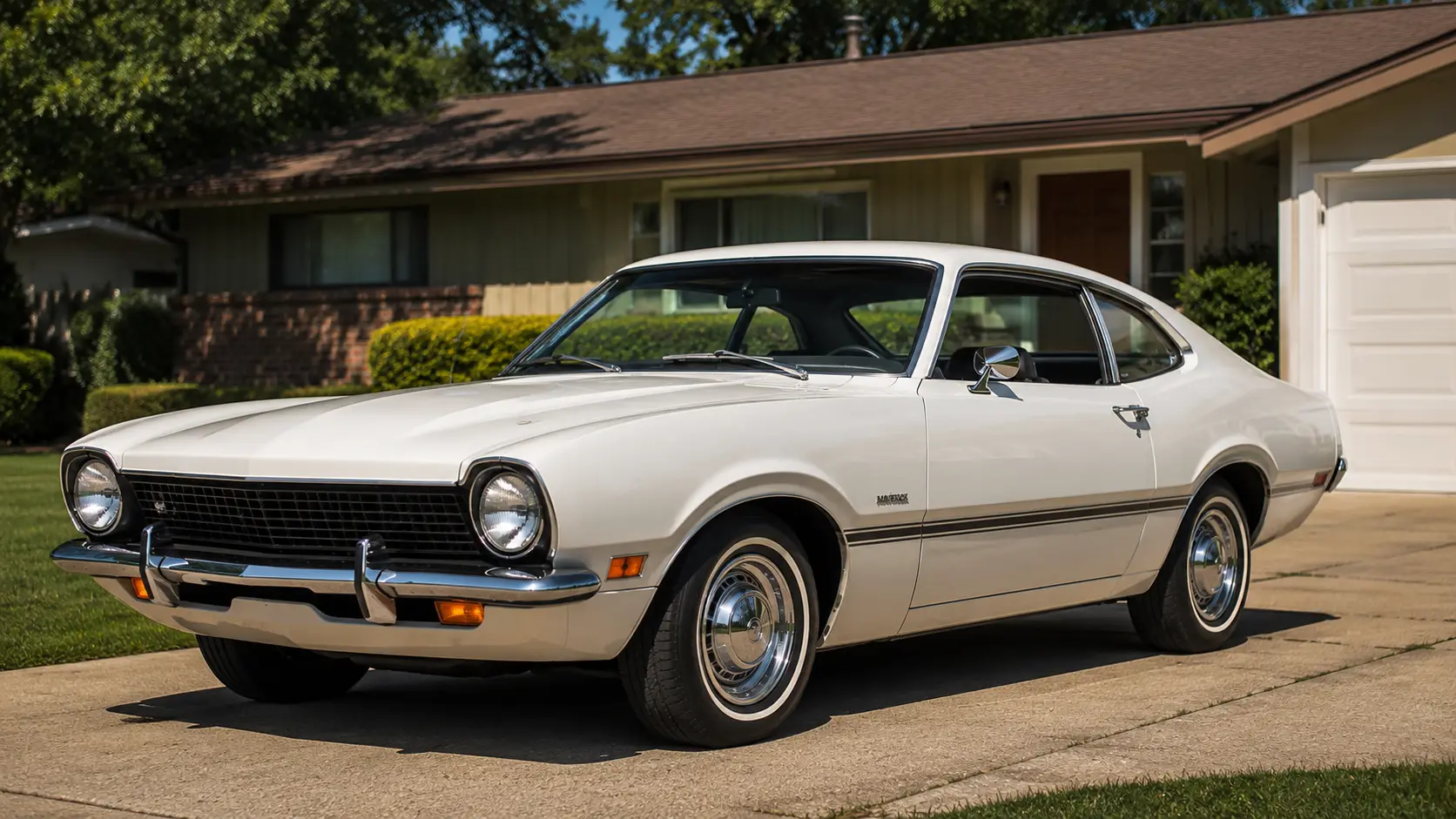
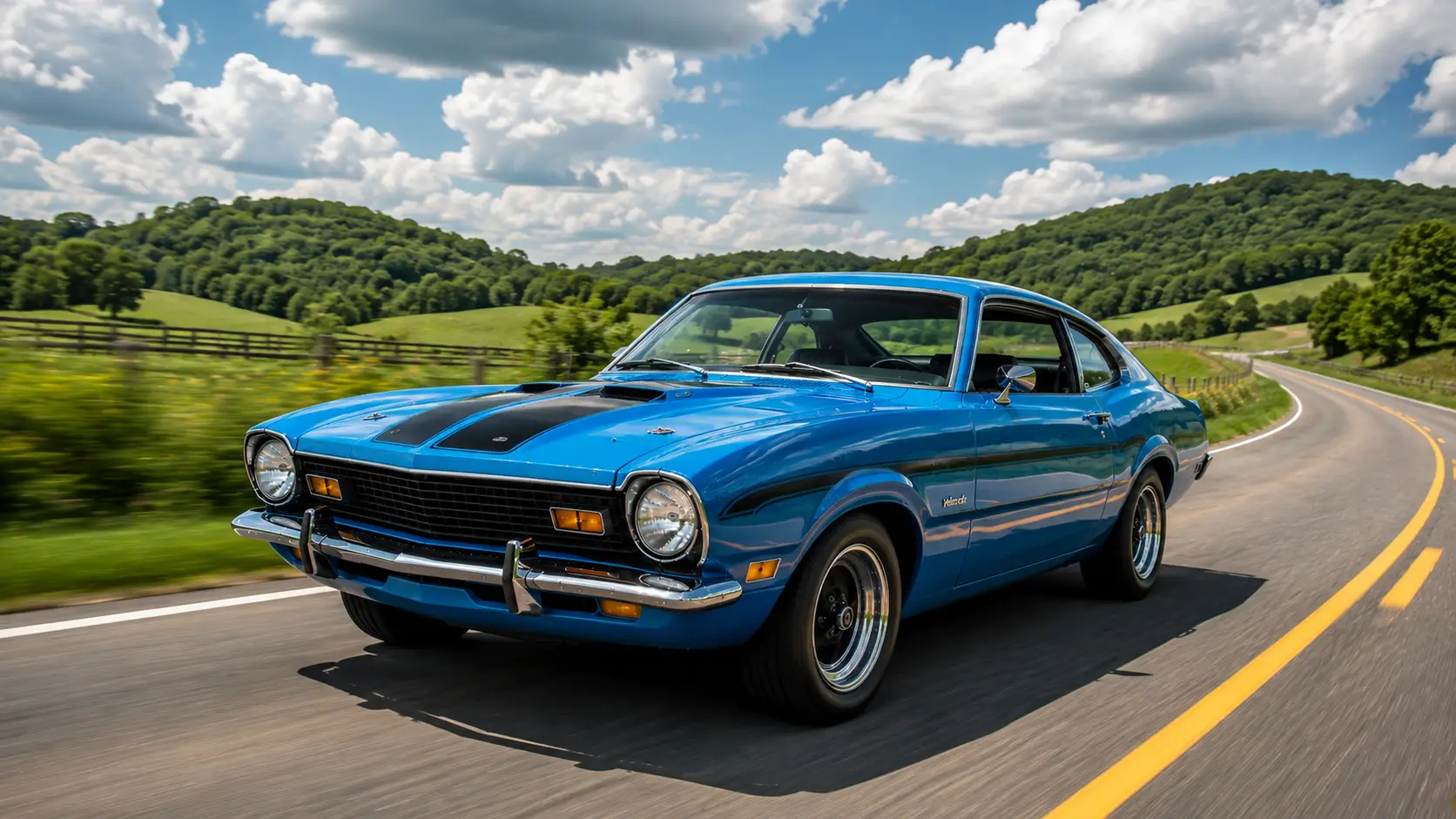
The old Ford Maverick is a compact rear-wheel-drive passenger car produced by Ford for the North American market from 1970 through 1977. It was introduced in April 1969 as a 1970 model and quickly became one of Ford’s biggest sales successes of the decade.
At the time, American buyers were beginning to embrace smaller, more economical vehicles. Imports from Volkswagen, Toyota, and Datsun were gaining popularity, and Ford needed a practical alternative that still felt unmistakably American.
The Maverick delivered exactly that.
With its long hood, short rear deck, simple mechanical layout, and affordable price, it appealed to a wide range of buyers. It wasn’t intended to replace the Mustang or compete with full-size sedans. Instead, it offered dependable transportation with classic Ford styling and lower running costs.
Over its eight-year production run, Ford built the Maverick in both two-door and four-door body styles. Buyers could choose from several inline-six engines or, in selected years, the popular 302 Windsor V8, which gave the lightweight Maverick a noticeably livelier character.
Today, the old Ford Maverick is appreciated not only for its practicality but also for its versatility. Some owners preserve them as factory-original survivors, while others build street machines, autocross cars, or period-correct restorations.
Quick Facts About the Old Ford Maverick
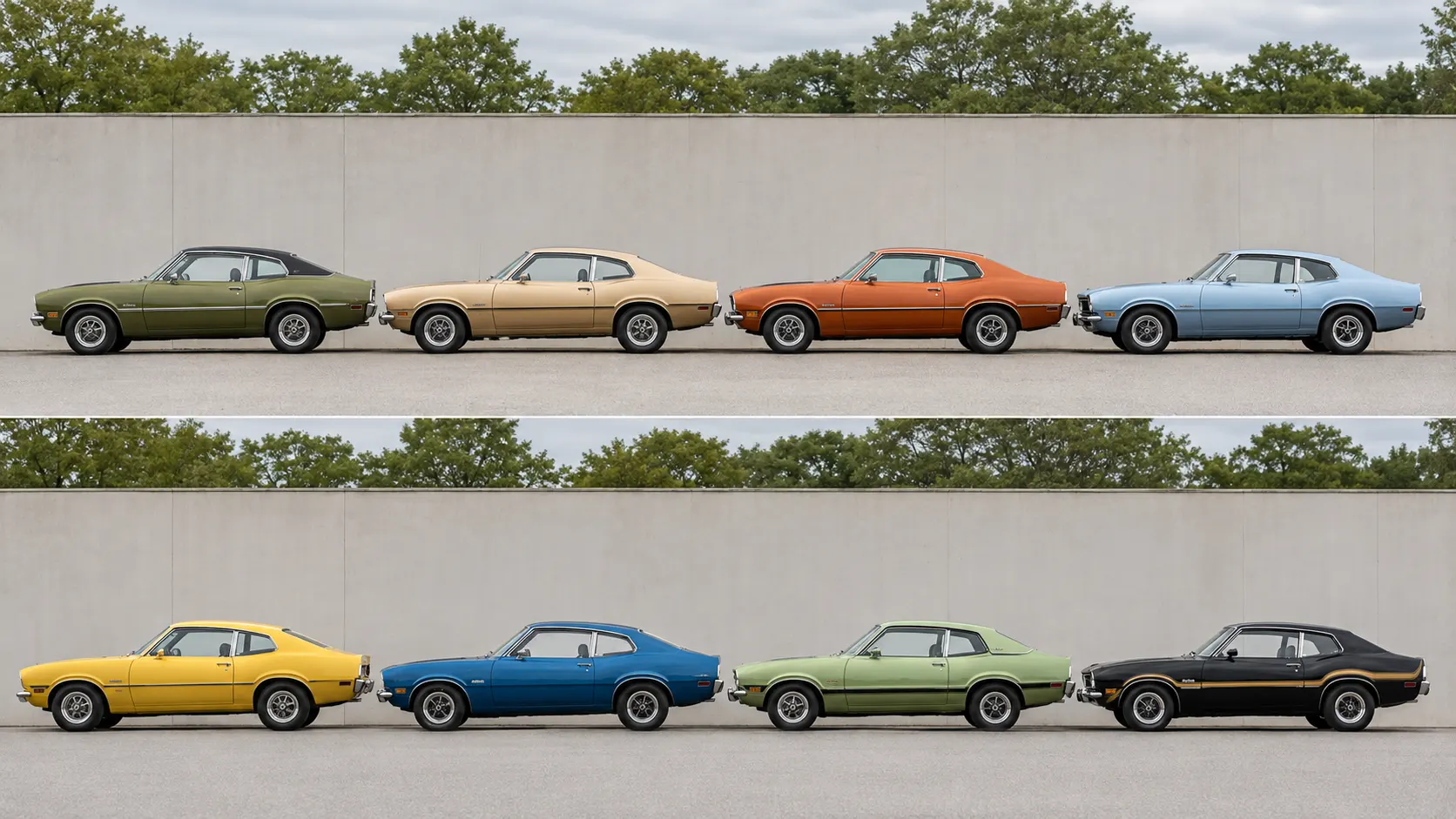
| Feature | Details |
|---|---|
| Production Years | 1970–1977 |
| Manufacturer | Ford Motor Company |
| Body Styles | Two-door sedan, Four-door sedan |
| Layout | Front-engine, Rear-wheel drive |
| Standard Engines | 170, 200, and 250 cubic-inch inline-six |
| Optional V8 | 302 Windsor V8 |
| Transmission Options | 3-speed manual, 3-speed automatic |
| Total Production | Over 2.1 million vehicles |
| Successor | Ford Fairmont |
Why the Old Ford Maverick Is More Popular Than Ever
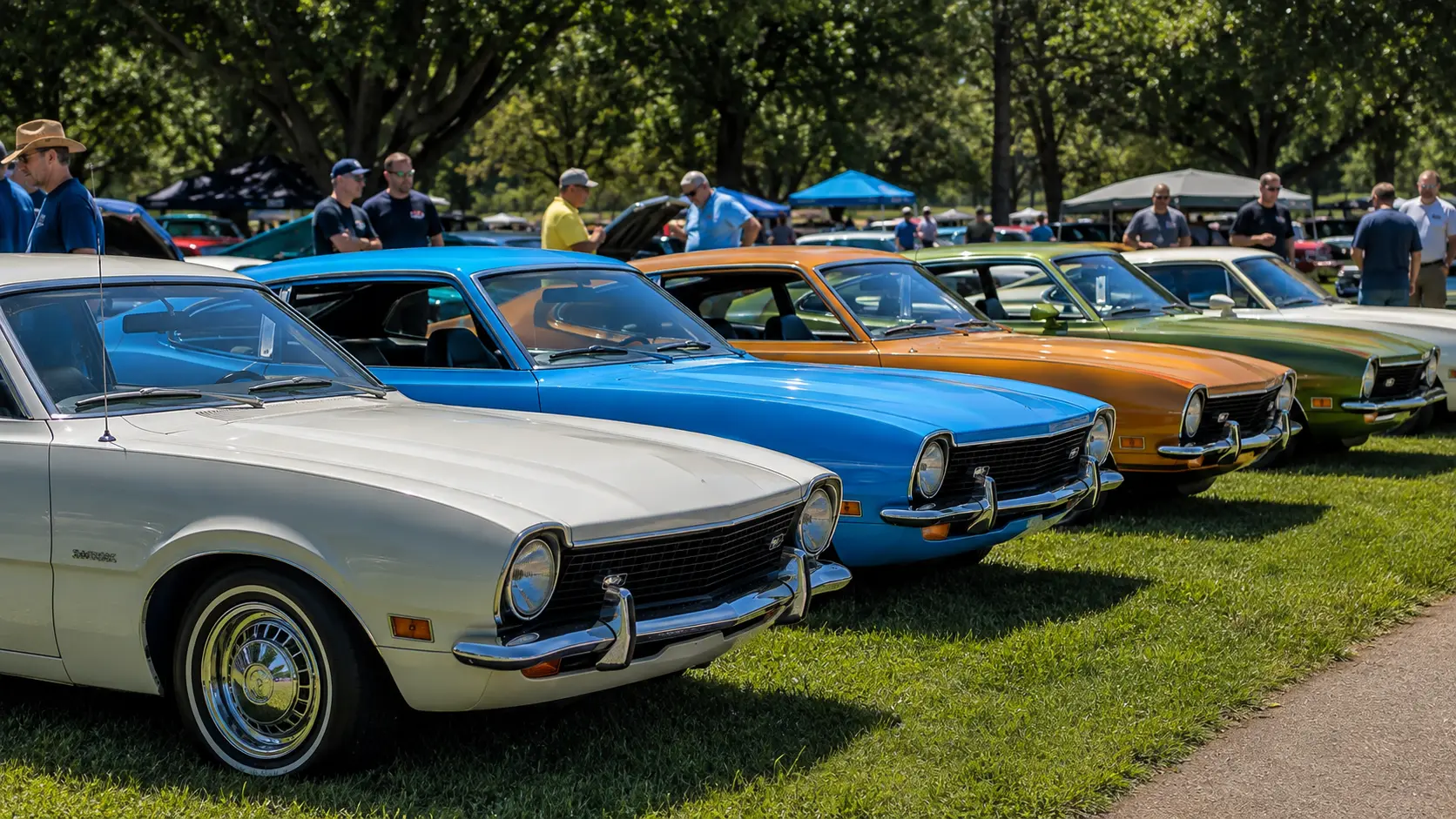
For many years, the Maverick lived in the shadow of the Mustang. While Mustangs, Camaros, and Chevelles became headline-grabbing collectibles, the Maverick quietly built a loyal following among enthusiasts who appreciated its simplicity and affordability.
That perception has changed dramatically in recent years.
As prices for traditional muscle cars have climbed beyond the reach of many enthusiasts, buyers have begun looking for alternatives that still offer classic American styling without six-figure price tags. The old Ford Maverick fits that role perfectly.
Several factors have contributed to its growing popularity.
A Quick History of the Old Ford Maverick
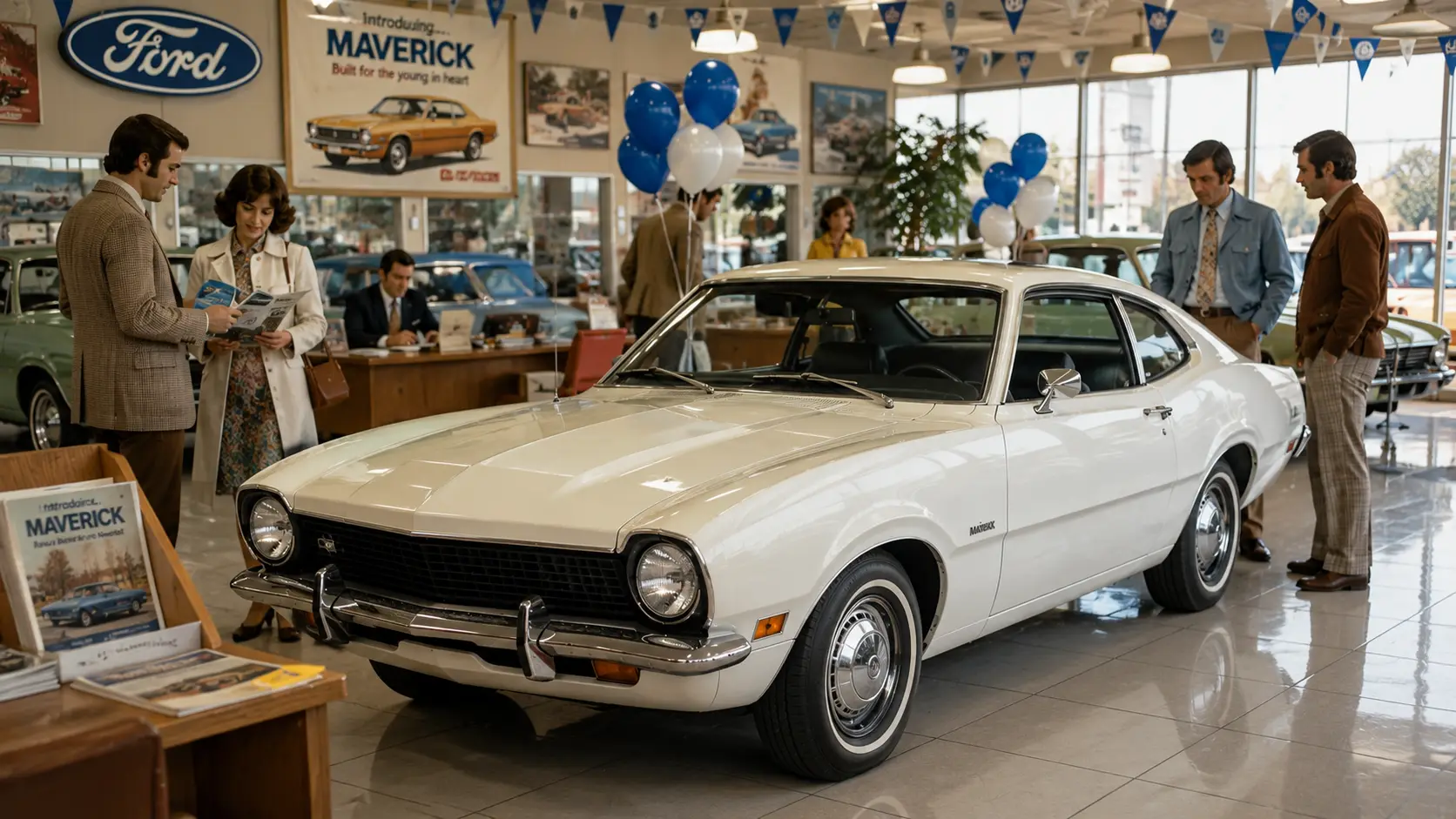
The story of the old Ford Maverick began during a period of major change in the American automotive industry. By the late 1960s, compact imported cars from Volkswagen, Toyota, and Datsun were steadily gaining popularity. Rising fuel costs and changing buyer preferences meant many Americans wanted smaller, more economical vehicles without giving up the comfort and styling they expected from a domestic brand.
Ford responded by introducing the Maverick on April 17, 1969, as a 1970 model.
Unlike the Falcon it effectively replaced, the Maverick featured fresh styling with a long hood, a short rear deck, and proportions that hinted at the Mustang without directly competing with it. It was marketed as an affordable compact but quickly earned a reputation for being reliable, easy to maintain, and surprisingly enjoyable to drive.
Its timing was excellent. During the 1973 oil crisis, demand for smaller, fuel-efficient cars increased dramatically, and the Maverick became one of Ford’s best-selling passenger cars.
Over an eight-year production run, more than 2.1 million Mavericks were built before production ended in 1977 and the model was replaced by the Ford Fairmont.
If you’d like a deeper look at the Maverick’s development, production, and legacy, be sure to read our Complete History of the Classic Ford Maverick (1969–1977).
Original brochures, specifications, and marketing materials for the Maverick can still be explored through the Ford Heritage Vault, which preserves thousands of historic Ford documents.
Ford Maverick Model Years Explained (1970–1977)
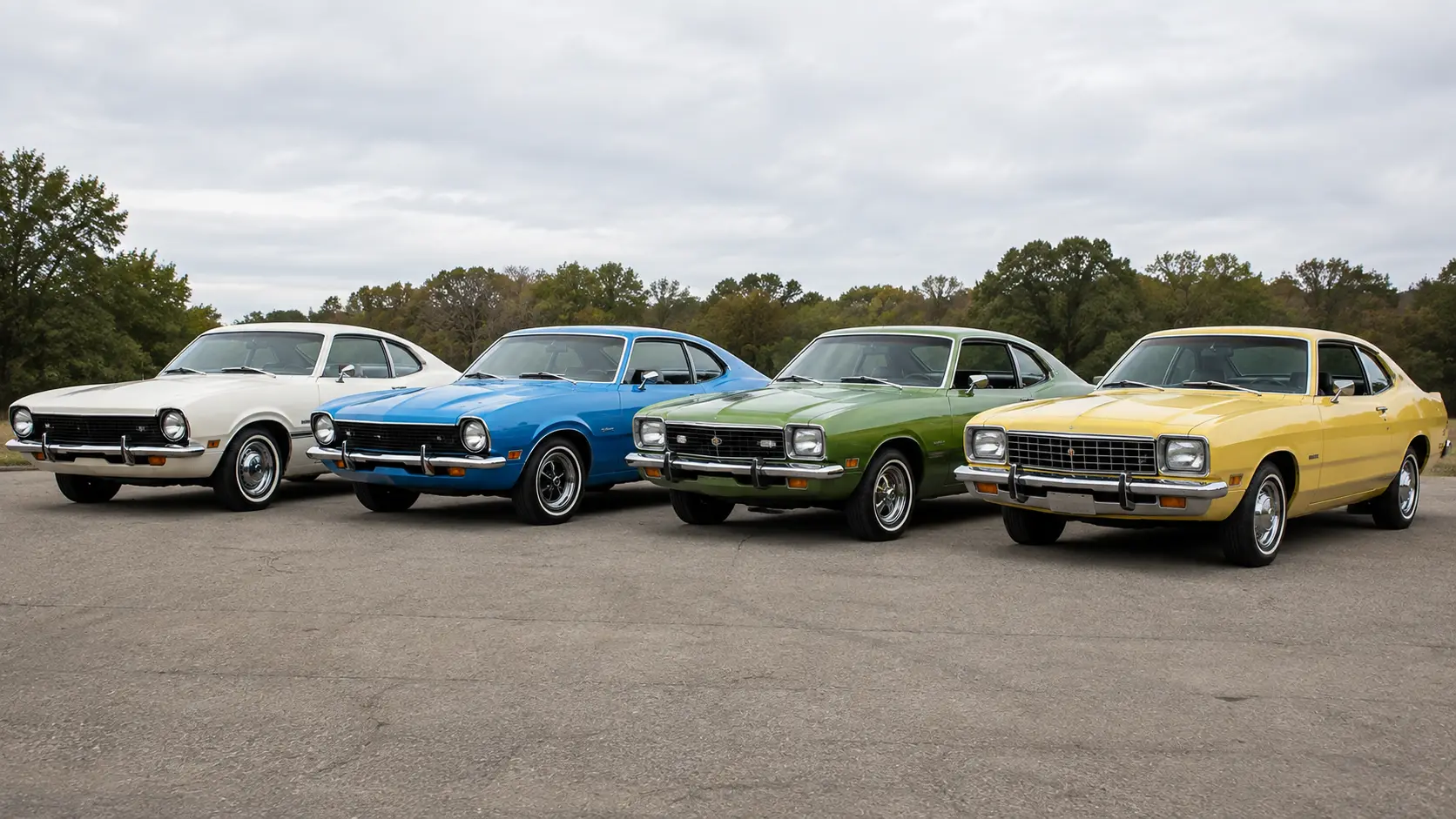
Although the Maverick’s basic body shape remained familiar throughout production, Ford made important improvements almost every year. Some updates were aimed at improving comfort and performance, while others responded to new safety and emissions regulations.
Here’s a quick overview.
| Model Year | Major Changes | Collector Appeal |
|---|---|---|
| 1970 | First production year | ⭐⭐⭐⭐⭐ |
| 1971 | Four-door model and 302 V8 introduced | ⭐⭐⭐⭐⭐ |
| 1972 | Luxury Decor Option (LDO) and Sprint package | ⭐⭐⭐⭐☆ |
| 1973 | Front disc brakes and fuel crisis popularity | ⭐⭐⭐⭐⭐ |
| 1974 | Larger federally required safety bumpers | ⭐⭐⭐⭐☆ |
| 1975 | Minor refinements | ⭐⭐⭐⭐☆ |
| 1976 | Stallion appearance package | ⭐⭐⭐⭐☆ |
| 1977 | Final production year | ⭐⭐⭐⭐☆ |
Engine Options: Which One Is Right for You?
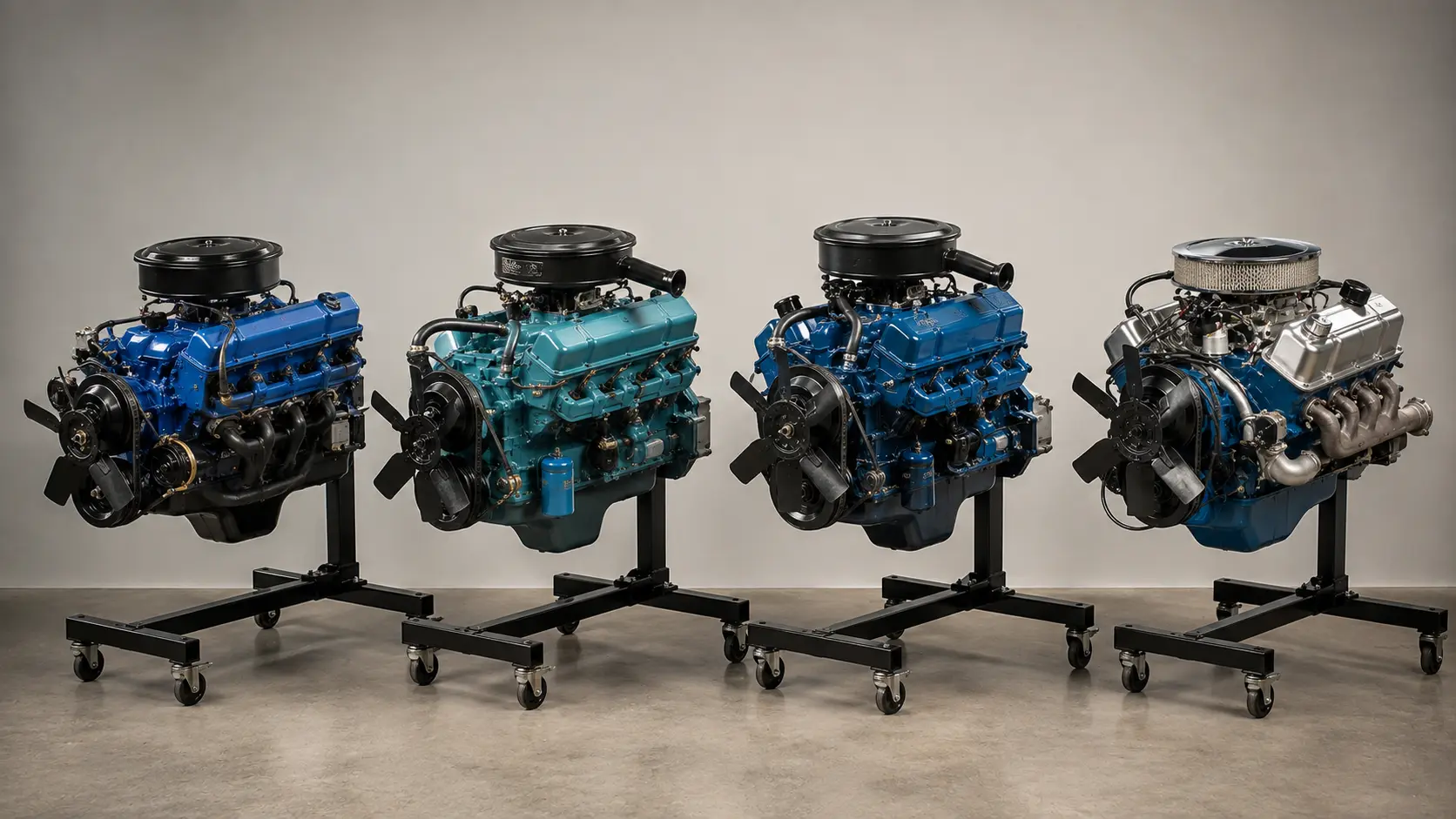
One reason the old Ford Maverick remains so enjoyable to own is its variety of engine choices. Whether you prefer a dependable cruiser or a V8-powered weekend car, there’s an engine to match your goals.
302 Windsor V8
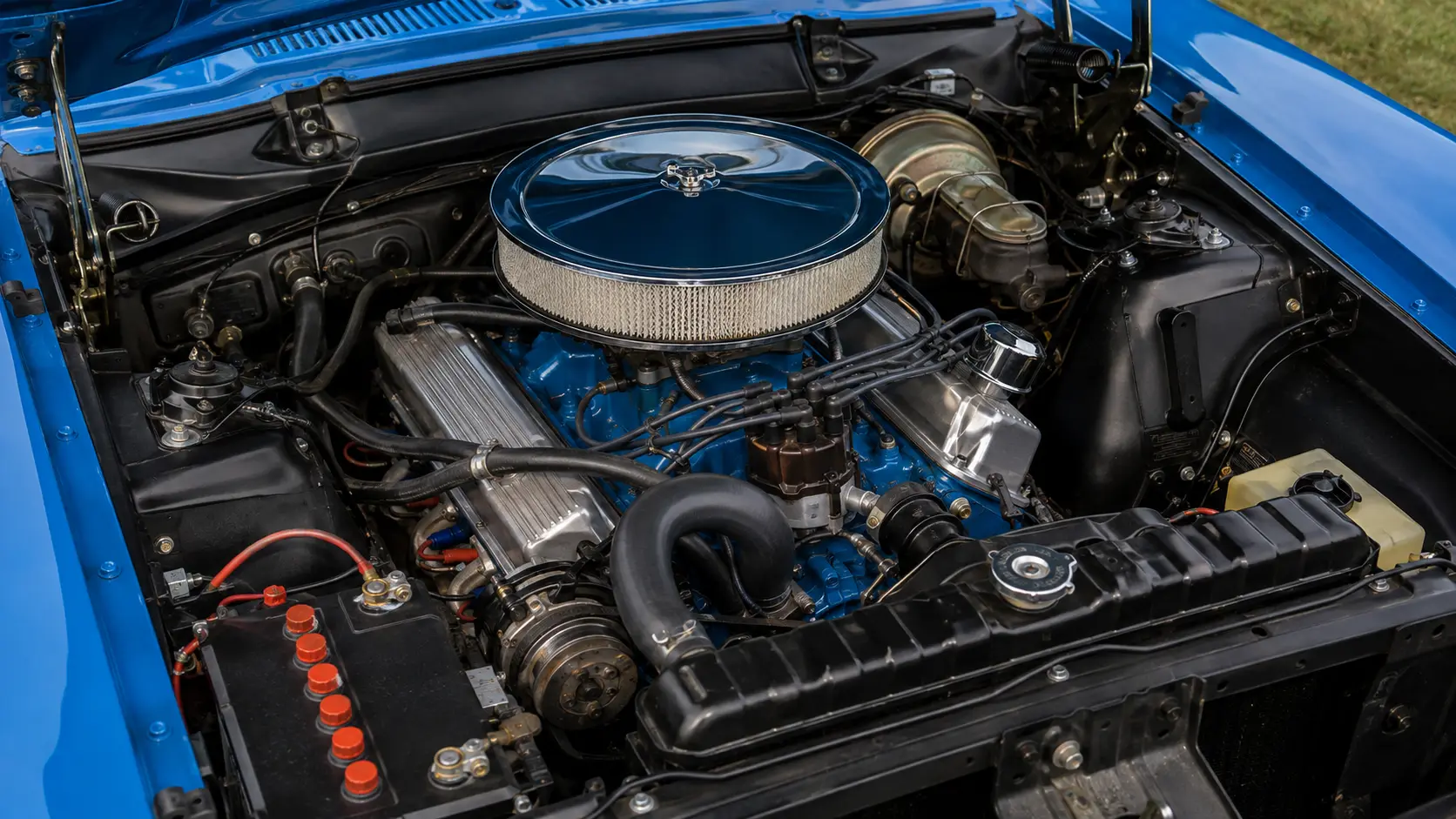
For many collectors, the 302 Windsor V8 is the engine that transforms the Maverick into something special.
Its combination of lightweight chassis and proven Ford V8 performance creates a surprisingly lively driving experience.
The 302 also benefits from exceptional aftermarket support, making it easy to find performance parts, rebuild kits, and upgrades.
Best for:
- Performance builds
- Grabber restorations
- Weekend fun
- Long-term collector value
Grabber
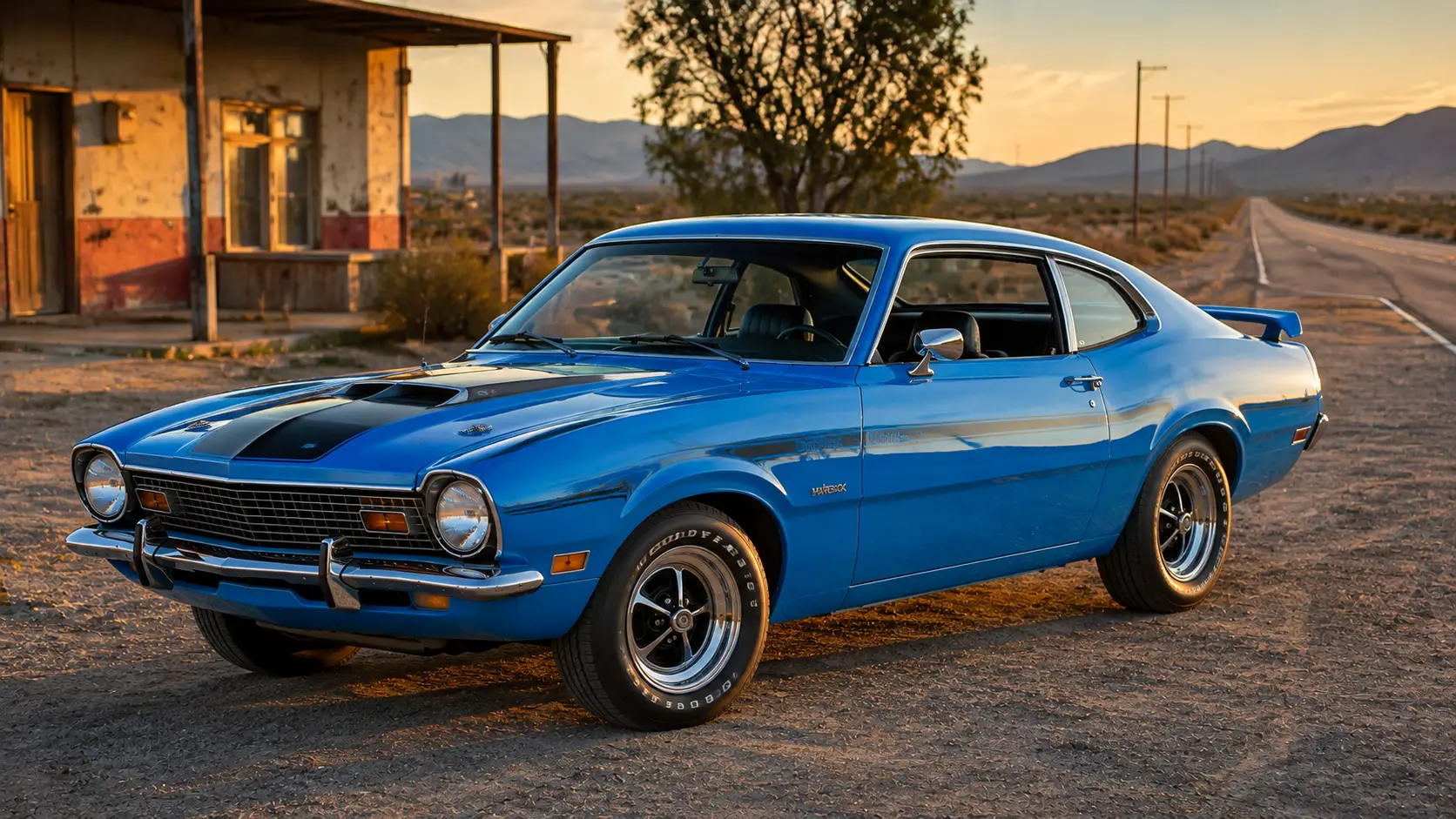
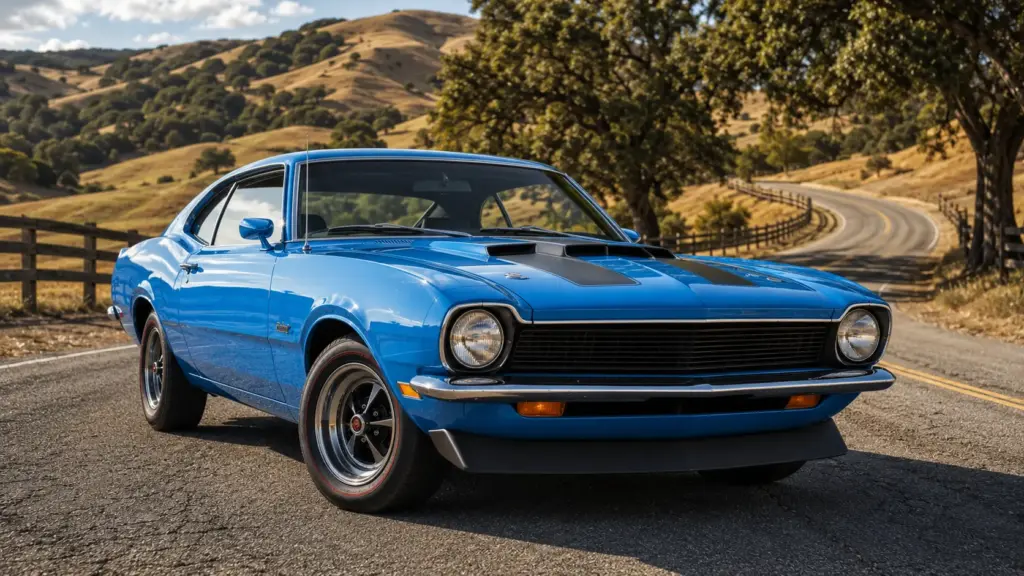
If there’s one version every enthusiast recognizes, it’s the Grabber.
Introduced to give the Maverick a sportier personality, the Grabber package included distinctive graphics, unique styling touches, and when paired with the 302 V8 a much more exciting driving experience.
Typical Grabber features include:
- Bold body stripes
- Rear spoiler
- Sport wheels
- Performance-inspired appearance
- Bright factory colors such as Grabber Blue and Grabber Orange
Today, original Grabbers are among the most collectible Mavericks.
Luxury Decor Option (LDO)
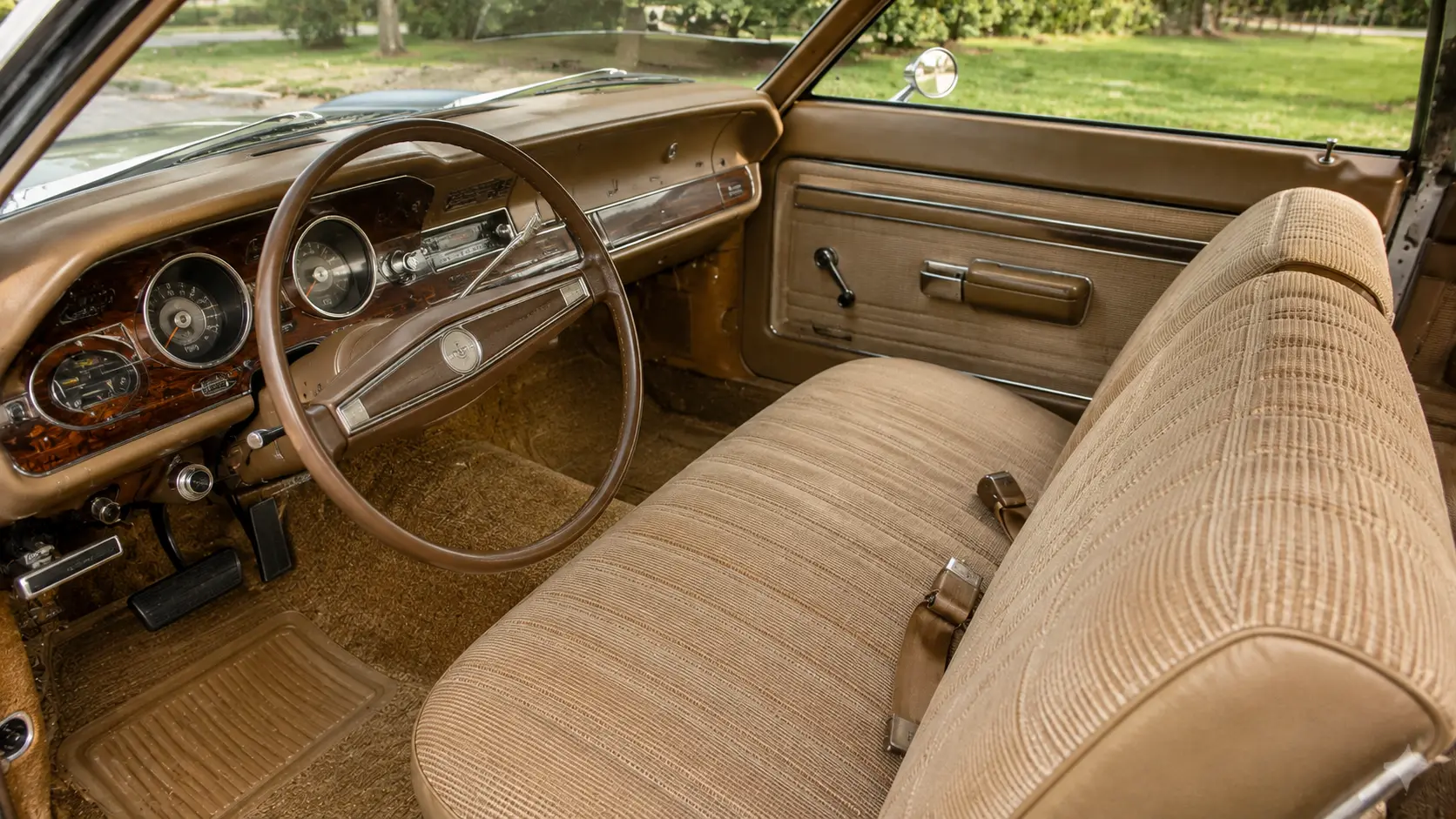
For buyers who preferred comfort over sporty styling, the Luxury Decor Option transformed the Maverick into a surprisingly refined compact.
Typical LDO features included:
- Improved upholstery
- Woodgrain dashboard trim
- Additional chrome accents
- Vinyl roof on many examples
- Higher-quality interior materials
Common Problems with the Old Ford Maverick
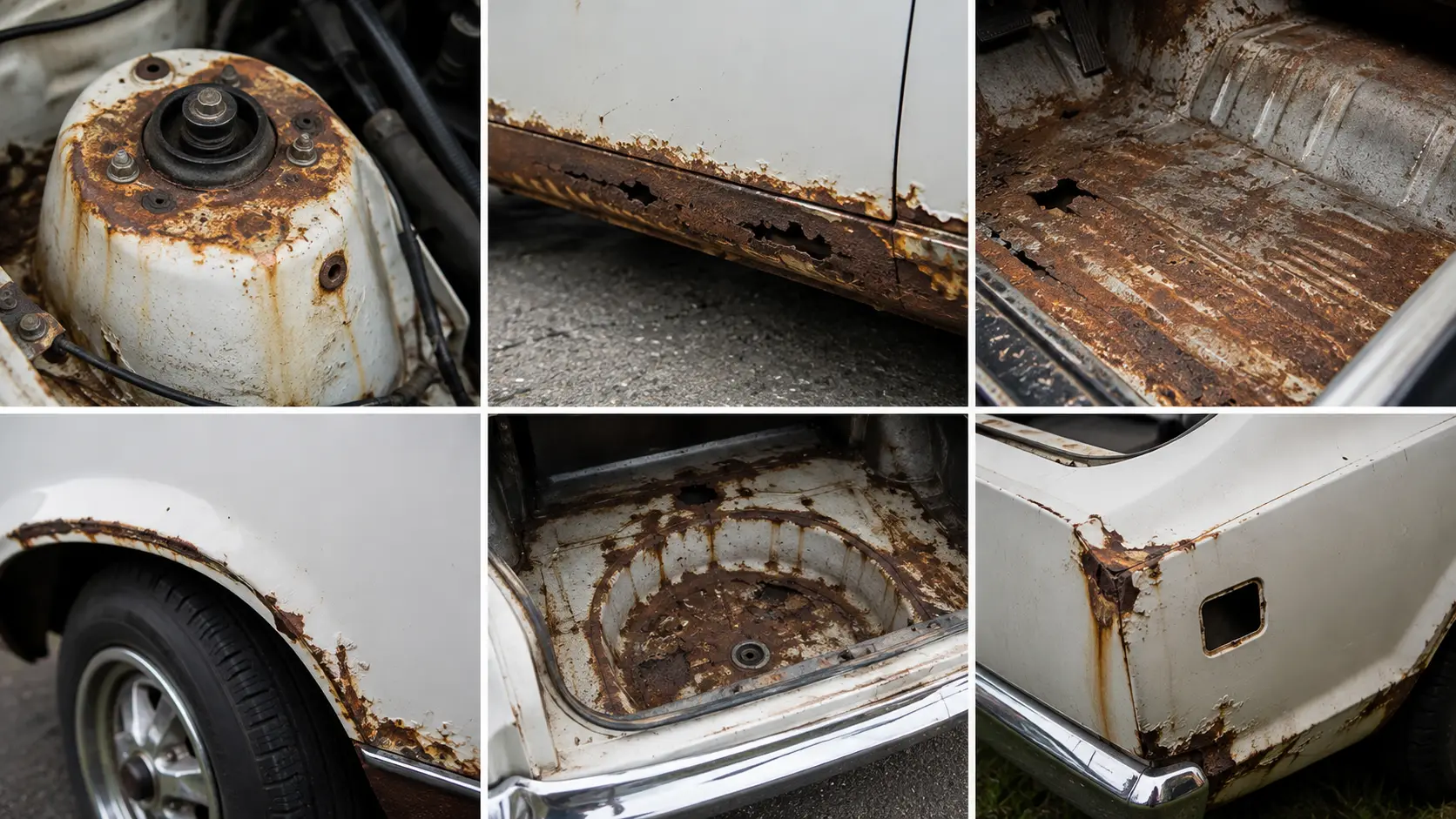
Like any classic car that’s more than 50 years old, the old Ford Maverick has a few well-known trouble spots. Fortunately, most issues are related to age rather than poor engineering.
Knowing what to inspect before buying can save you thousands of dollars in repairs.
Restoration Tips
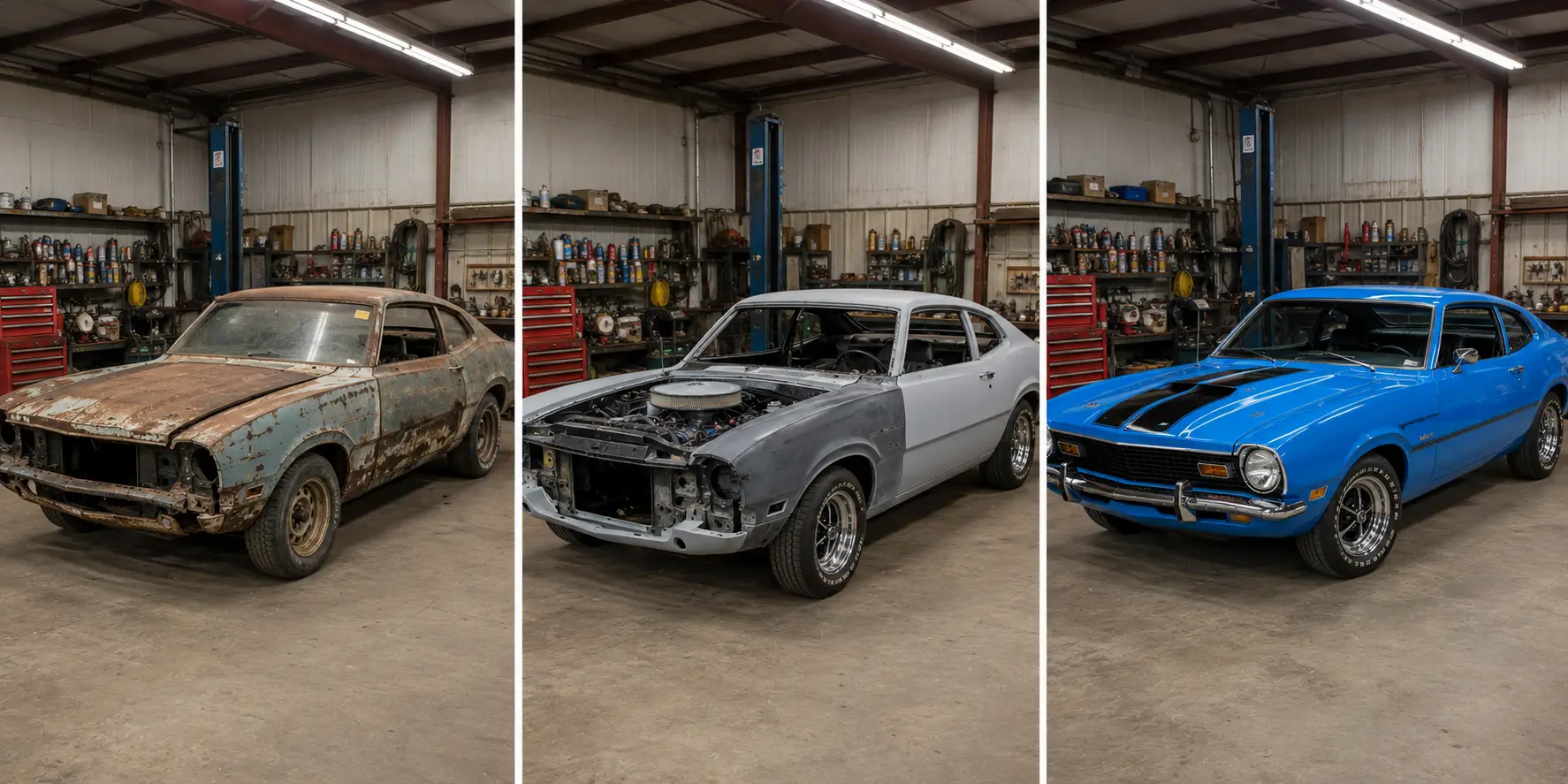
One of the reasons the old Ford Maverick remains popular is that it’s generally easier to restore than many classic American cars from the same era.
Still, careful planning can save both time and money.
How Much Is an Old Ford Maverick Worth?
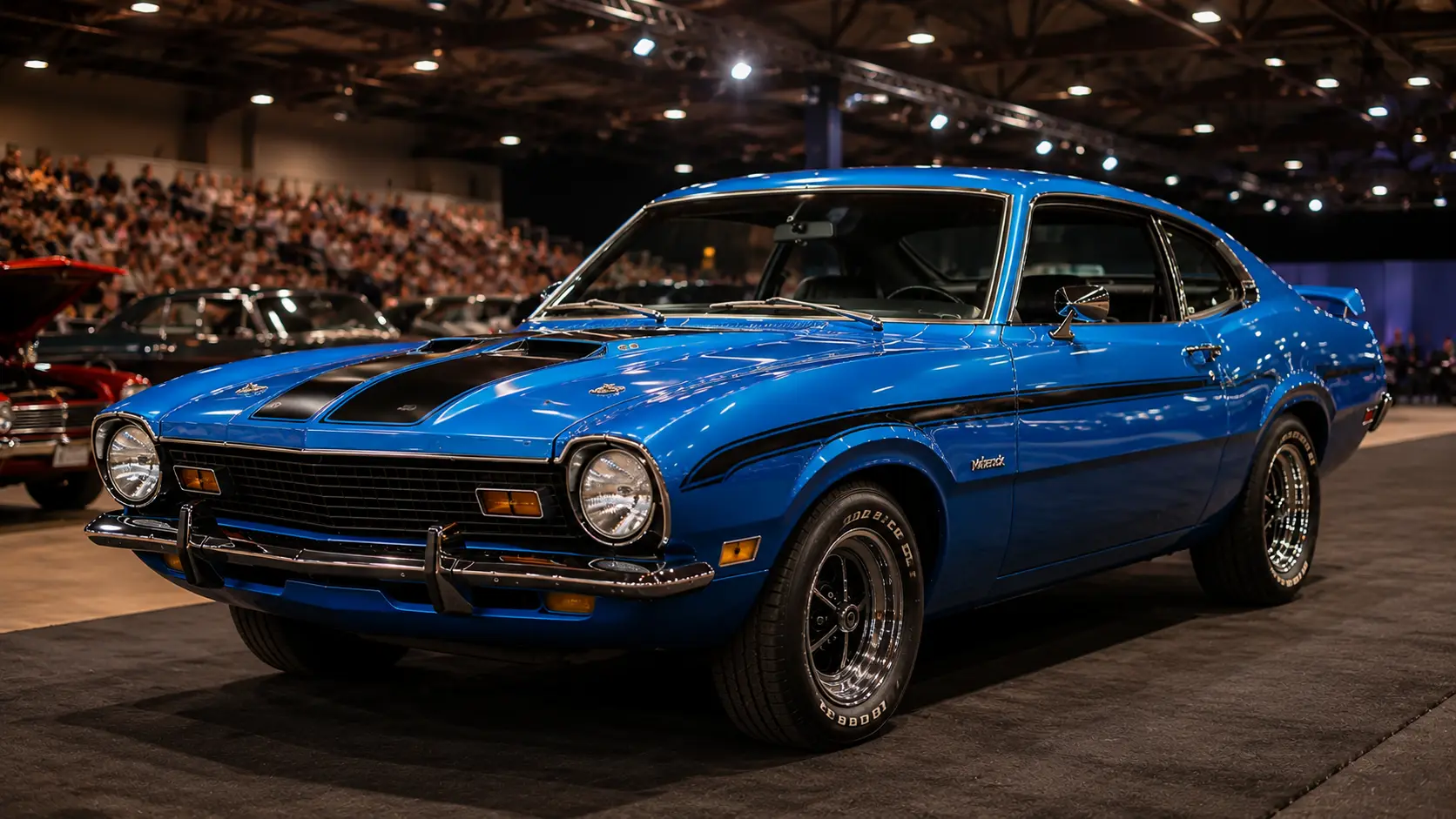
Values vary depending on condition, originality, engine, trim package, and location.
The following ranges provide a general idea rather than fixed prices.
| Condition | Typical Market Range* |
|---|---|
| Project Car | $2,500–$6,000 |
| Running Driver | $8,000–$15,000 |
| Excellent Restoration | $18,000–$30,000+ |
| Rare Grabber or Exceptional Example | $30,000+ |
Market values change over time depending on condition, originality, and demand. Resources such as the Hagerty Price Guide can help enthusiasts track collector car values.