Buying a classic car is exciting, but buying the wrong one can quickly turn that excitement into an expensive restoration project. If you’re searching for your first Ford Maverick or looking to upgrade to a better example, this Ford Maverick buying guide will help you avoid costly mistakes and identify cars that are truly worth your money.
Before viewing a classic Ford Maverick, it’s worth assembling a few basic car inspection tools. A rechargeable inspection light, paint thickness gauge, and borescope camera can help you uncover hidden rust, accident repairs, and structural damage that may not be visible during a quick walk-around. Read our complete guide to the best car inspection tools before you inspect your next project car.
Picture This…
You’re standing in someone’s driveway on a Saturday morning.
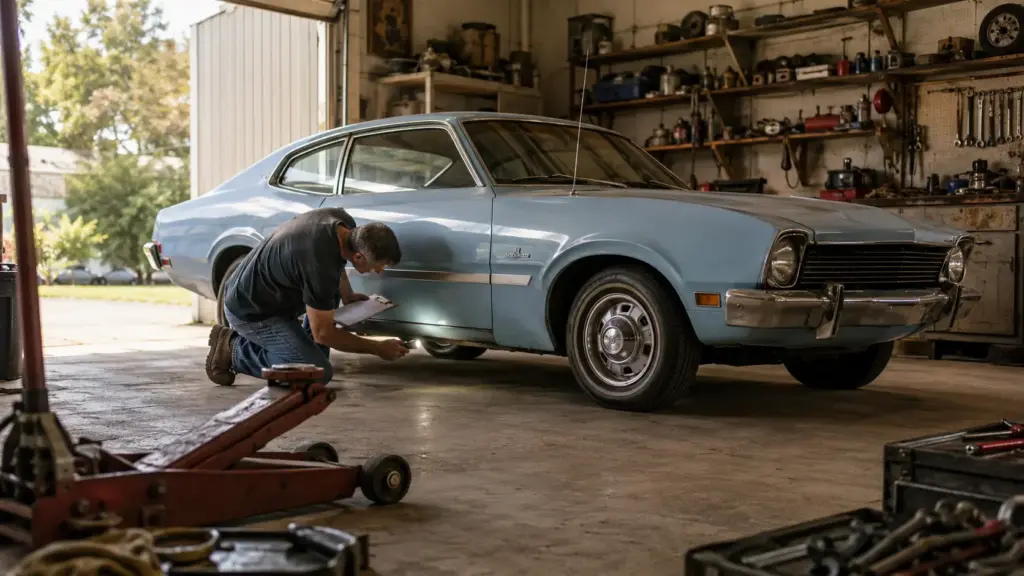
The seller opens the old garage door, and there it is a dusty 1971 Ford Maverick that hasn’t moved in years. The paint is faded, the tires are flat, and there’s just enough chrome shining through the dust to make your heart race.
The seller smiles.
“It only needs a little work.”
If you’ve been around classic cars long enough, you already know that “a little work” can mean anything from a weekend tune-up to a complete body-off restoration.
So where do you even begin?
Do you start the engine?
Look underneath?
Check the paperwork?
Or simply walk away?
The truth is that most expensive mistakes happen before the money changes hands. Rust hidden beneath fresh paint, worn suspension parts, questionable paperwork, or poorly repaired accident damage can easily cost far more than the purchase price.
The good news?
The Ford Maverick is one of the easiest classic American cars to inspect if you know exactly where its weak points are. By the end of this guide, you’ll know what to check, what questions to ask, which warning signs should make you walk away, and how to confidently decide whether a Maverick is a bargain or a money pit.
Let’s start with why these compact Fords have become so popular.
Why the Ford Maverick Is Having a Moment
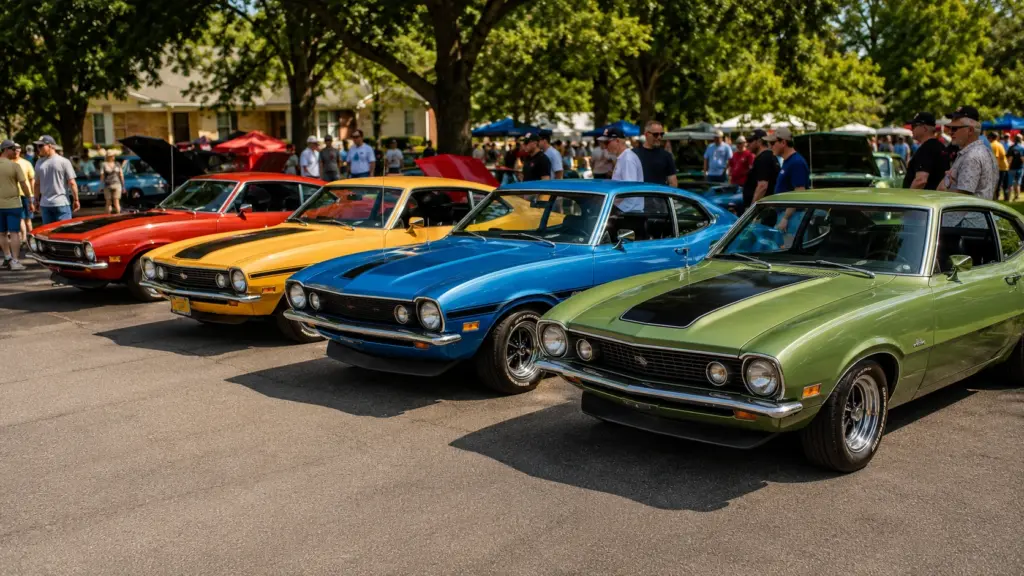
For years, the Ford Maverick lived in the shadow of the Mustang.
Today, that’s changing.
Collectors are beginning to appreciate the Maverick for what it has always been:
- Affordable classic American styling
- Simple mechanical design
- Excellent parts availability
- Easy weekend maintenance
- Huge customization potential
Compared to many muscle cars, Mavericks remain one of the more approachable ways to enter the classic car hobby. While exceptional Grabbers and V8-equipped cars have become more desirable, many six-cylinder examples are still attainable, making them attractive first classics.
Enthusiasts are also recognizing that many Maverick components are shared with other Ford vehicles of the era, helping keep maintenance costs reasonable and parts relatively accessible.
If you’re looking for a classic that you can actually drive, enjoy, and work on without spending Mustang money, it’s easy to understand why so many people are searching for a Ford Maverick for sale today.
Know Your Model Years and Trims
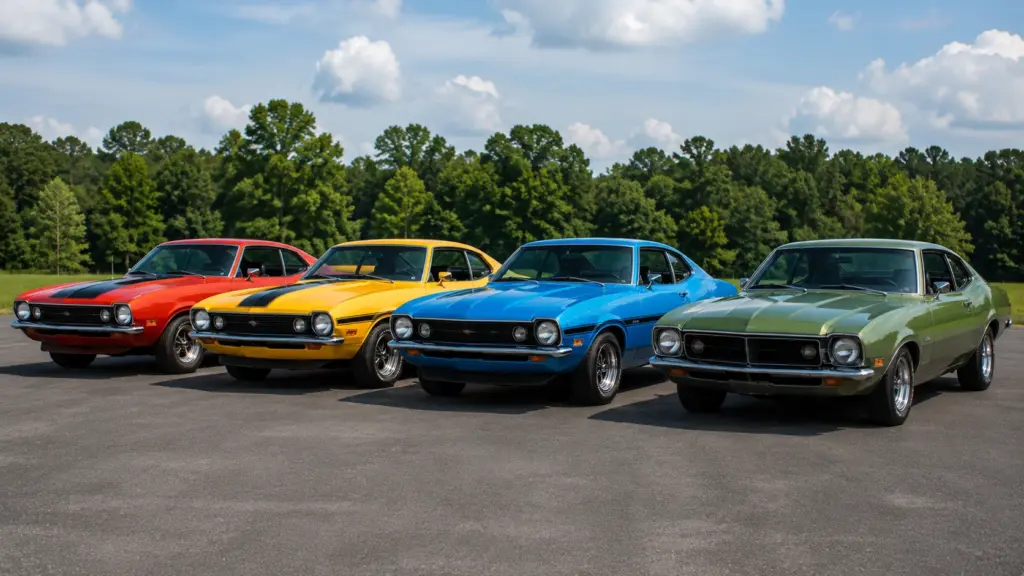
Not every Maverick is the same. Knowing the differences between model years can help you spot desirable features and better understand a car’s value.
| Model Years | Notable Changes | Available Trims |
|---|---|---|
| 1970 | First production year, clean original styling | Base |
| 1971 | Introduction of the sporty Grabber package | Base, Grabber |
| 1972–1973 | Minor updates, more engine options | Base, Grabber |
| 1974 | Four-door sedan introduced, luxury-focused LDO added | Base, Grabber, LDO |
| 1975–1977 | Revised front styling, larger bumpers, emissions updates | Base, Grabber (availability varied), LDO |
Base Model
Simple, lightweight, and often powered by the dependable inline-six. Excellent project cars.
Grabber
The enthusiast favorite.
Look for:
- Sport stripes
- Rear spoiler
- Hood treatment (varies by year)
- Rally-inspired appearance
- Often paired with V8 engines
Original Grabbers usually command higher prices than standard cars.
LDO (Luxury Decor Option)
Designed for buyers wanting comfort instead of performance.
Features often included:
- Better interior trim
- Vinyl roof options
- Plush seating
- Extra sound insulation
Engine & Drivetrain Options
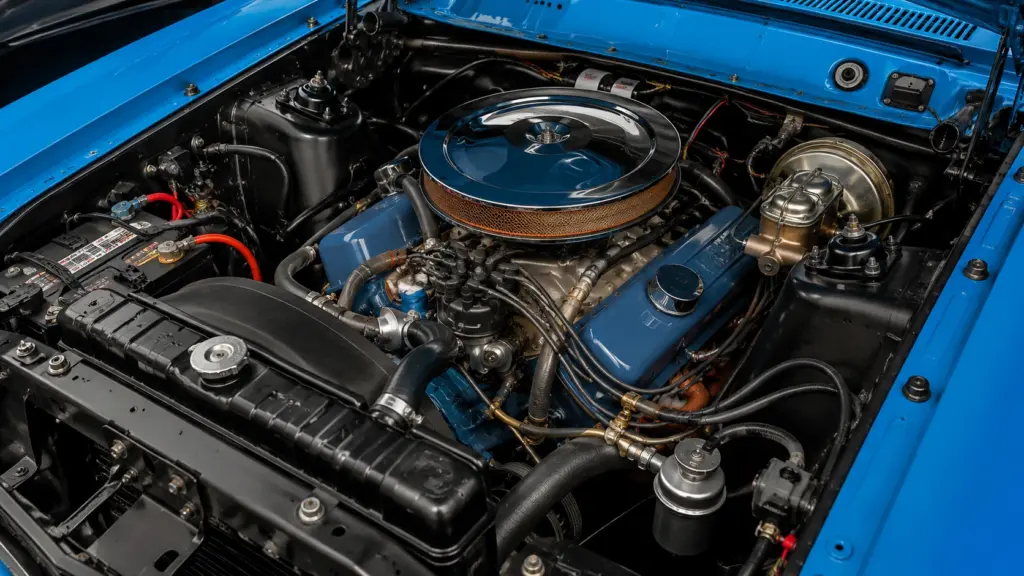
Ford offered several engines during the Maverick’s production run. Each has its own personality.
| Engine | Approx. Horsepower | Known For | Parts Availability |
|---|---|---|---|
| 200ci Inline-6 | ~115–120 hp | Extremely reliable, economical, easy to maintain | Excellent |
| 250ci Inline-6 | ~145 hp | More torque than the 200, smooth cruiser | Very Good |
| 302ci V8 | ~140–210 hp (varies by year and emissions equipment) | Best performance, huge aftermarket support | Excellent |
| 351ci V8 (rare swaps / limited cases) | Varies | Strong performance, usually not factory in most Mavericks | Good |
| Sprint Package (1972) | Usually paired with existing engines | Special appearance package rather than a separate engine | Good |
Which Engine Should You Buy?
200 Inline-6
Ideal if you want:
- Low maintenance
- Weekend cruising
- Better fuel economy
- Easier repairs
250 Inline-6
A nice middle ground with noticeably more torque.
302 V8
Perfect for enthusiasts wanting:
- Better acceleration
- Strong aftermarket support
- Easier performance upgrades
- Higher collector appeal
What’s It Worth? Price Ranges by Condition
One of the most common questions buyers ask is:
“What’s a classic Ford Maverick worth?”
The answer depends on factors like originality, trim level, engine, condition, documentation, and local market demand. Rather than focusing on a single number, it’s more useful to think in condition ranges.
| Condition | Typical Market Range* | Best For |
|---|---|---|
| Project / Parts Car | Approximately $2,000–$6,000 | Experienced restorers |
| Driver-Quality | Approximately $7,000–$18,000 | Most hobbyists |
| Show-Quality / Fully Restored | Approximately $20,000–$40,000+ | Collectors |
Note: Exceptional Grabbers, rare options, low-mileage survivors, and documented V8 cars can exceed these ranges. Prices also vary by region, originality, and current market demand.
If you’re evaluating a classic Ford Maverick price, remember that paying more for a solid, rust-free car is often cheaper than restoring a severely rusted bargain.
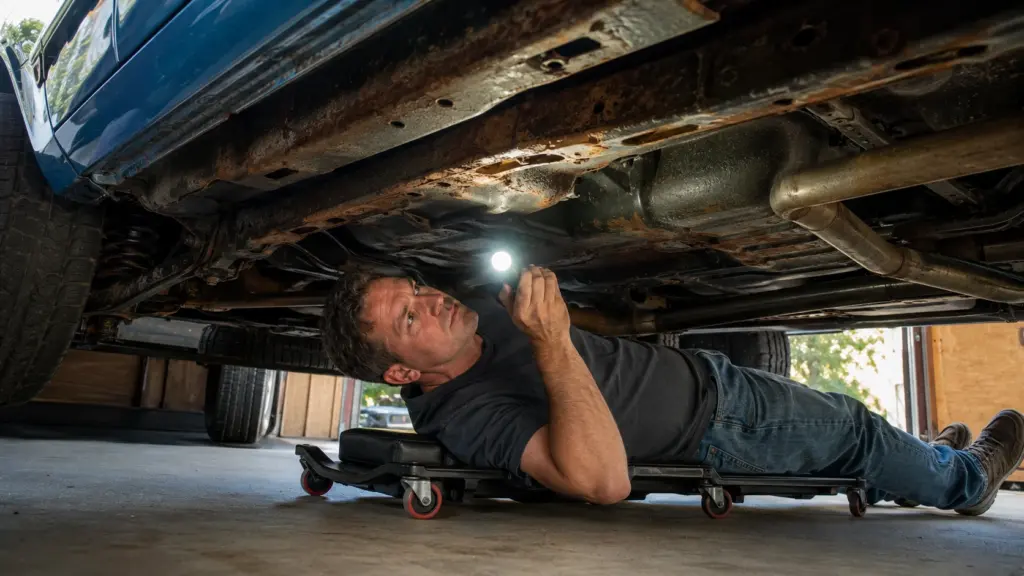
The Rust Inspection Checklist (Don’t Skip This)
If there’s one section of this Ford Maverick buying guide you remember, make it this one.
Mechanical problems are usually repairable.
Serious rust can consume your restoration budget.
Bring:
- Flashlight
- Small inspection mirror
- Magnet wrapped in cloth
- Gloves
- Flat screwdriver (for gentle probing where appropriate)
Open the trunk. Lift the mat.
Look carefully around:
- Spare tire well
- Rear corners
- Fuel tank mounting area
- Trunk seams
How to Check
- Shine a flashlight underneath.
- Look for patch panels or fresh undercoating.
- Use a magnet to help identify areas with excessive body filler.
- Check for soft spots or signs of moisture.
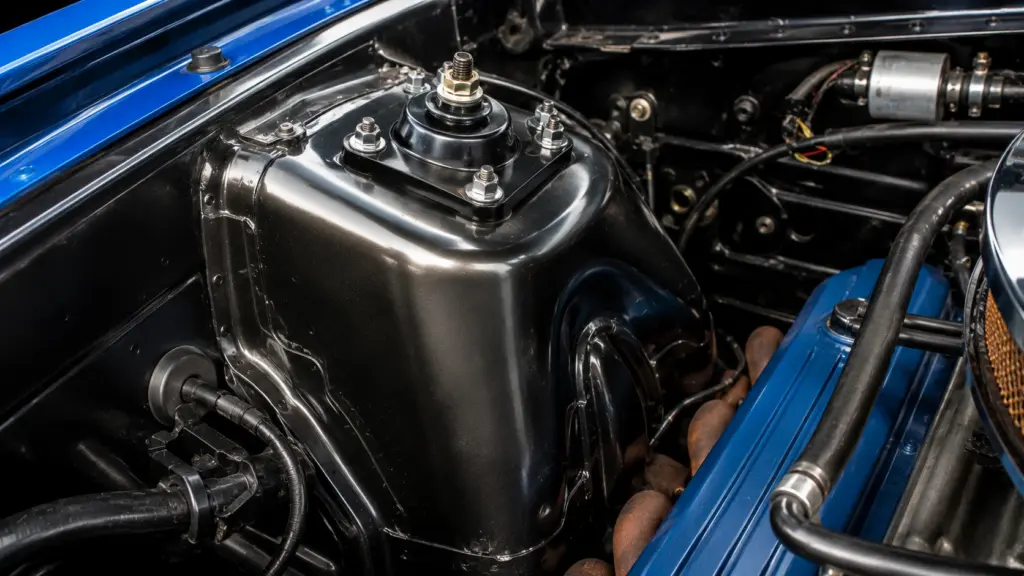
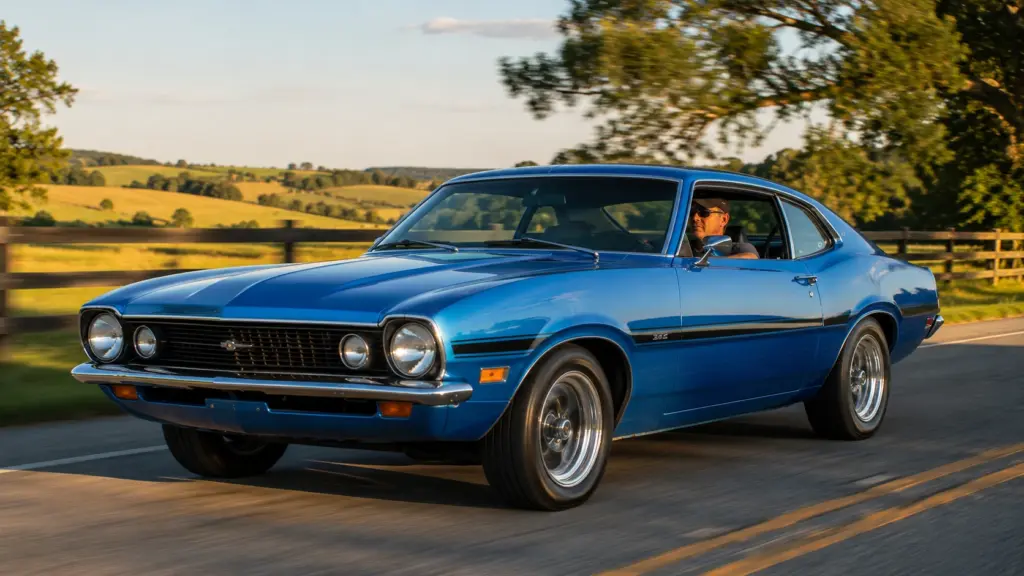
Common Mechanical Red Flags
A quick test drive and a careful walk-around can reveal a lot.
Paperwork and Vehicle History
Never overlook the paperwork.
Verify:
- Clean title
- VIN matches the car
- Registration history
- Service records
- Previous restoration receipts
Some owners also have original documentation, window stickers, or dealer paperwork that adds historical interest.
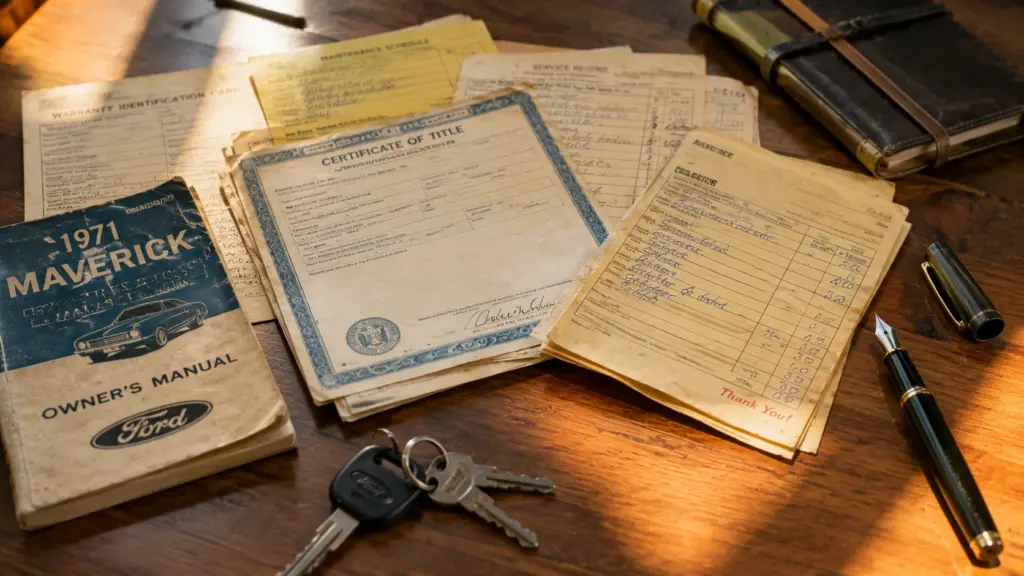
If originality matters to you, check whether the engine appears period-correct for the car. A replacement engine isn’t necessarily a problem it simply affects originality and, in some cases, value.
Be aware that registration and inspection requirements for classic vehicles vary by state or country, so confirm the rules where you plan to register the car.
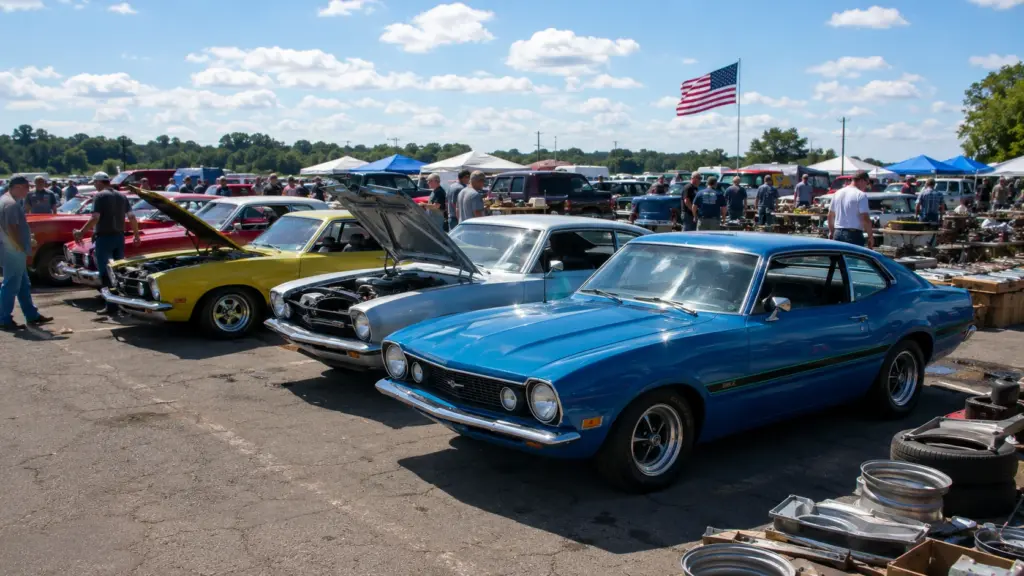
Where to Actually Find a Ford Maverick
The best cars often sell through enthusiast communities before reaching large auction sites.
Good places to look include:
- Facebook Marketplace
- Dedicated Ford Maverick Facebook groups (including our Ford Maverick Explorers community)
- Hemmings
- Bring a Trailer
- Local swap meets
- Regional classic Ford clubs
- Estate sales
- Local classified ads
Networking with other owners often uncovers cars that were never publicly listed.
Questions to Ask the Seller
Before making an offer, ask:
- How long have you owned it?
- Why are you selling?
- Has it ever been in an accident?
- Any rust repairs or floor replacements?
- Is the engine original?
- Does it run and drive under its own power?
- Has it been sitting for years?
- Any recent maintenance?
- Are there missing parts?
- Do all lights, gauges, and wipers work?
Honest sellers usually appreciate informed buyers.
Walk-Away Red Flags
Some issues simply aren’t worth the risk.
Walk away or negotiate very carefully if you find:
- Severe structural frame rust
- Rusted-through shock towers
- Mismatched or altered VIN plates
- No title (unless you fully understand your local registration process)
- Fresh undercoating hiding suspicious areas
- Major collision damage with poor repairs
- Seller won’t allow a proper inspection
- “It ran the last time I checked.”
- “I don’t know anything about the car.”
Trust your instincts. There will always be another Maverick.
First Steps After You Buy
Congratulations you found one!
Before daily driving it:
- Change all fluids.
- Replace old belts and hoses.
- Inspect the brake system thoroughly.
- Check tires for age cracking.
- Replace fuel filters.
- Inspect ignition components.
- Lubricate suspension and steering where applicable.
- Verify all lights work.
- Check battery cables and grounds.
- Drive short distances first before taking longer trips.
Starting with a solid maintenance baseline helps prevent surprises and lets you enjoy your classic with greater confidence.
Frequently Asked Questions
Final Thoughts
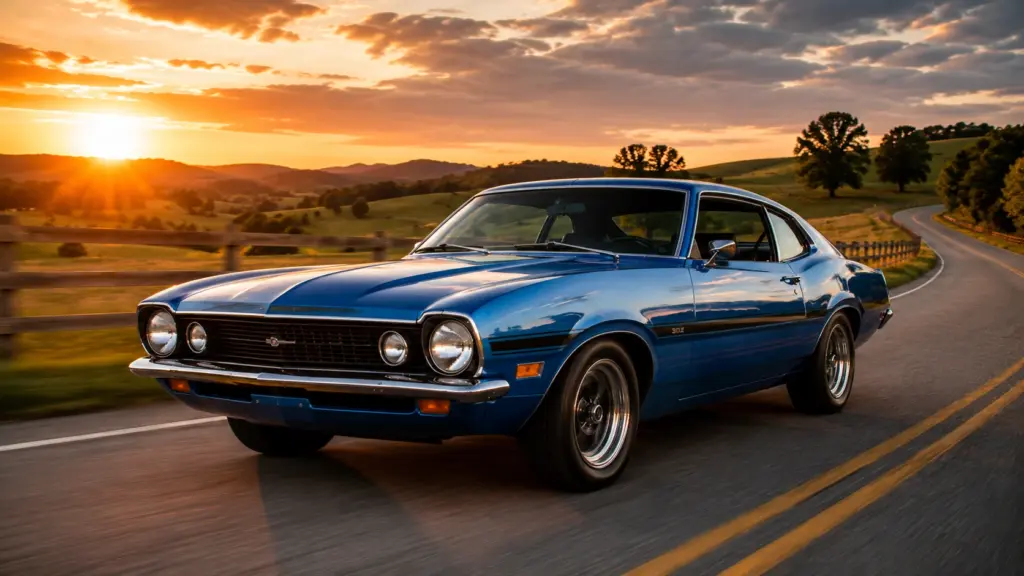
The Ford Maverick has earned its place among America’s most enjoyable classic cars. It’s approachable, rewarding to own, and supported by a passionate community that continues to grow.
The key to a successful purchase isn’t finding the cheapest car, it’s finding the right car. A careful inspection, a clear understanding of common trouble spots, and a willingness to walk away from questionable examples can save you thousands of dollars and countless hours of frustration.
Whether you’re chasing a weekend cruiser, a future showpiece, or your first restoration project, taking the time to follow this Ford Maverick buying guide will help you buy with confidence.
Have you recently purchased a Maverick, or are you currently searching for one? Share your experience in the comments below, we’d love to hear your story. And if you’re looking to connect with fellow enthusiasts, join our Ford Maverick Explorers Facebook community for buying advice, restoration tips, and photos from owners around the world.